The main difference between GRE and GRP is the matrix material resin used for bonding the glass fiber. GRP pipes use Isophthalic Resin while GRE pipes use epoxy resin. Read on or watch the video below to learn how this key difference affects pipe properties and application in GRE, GRP, and other types of FRP Pipes.
What is an FRP Pipe?
FRP (fiber reinforced plastic) pipes are made of two or more distinct materials whose qualities combine to provide superior strength. FRP pipes consist of a plastic matrix (different types shown below) and glass fiber sheets with reinforcing agents.
This mix of materials offers excellent qualities like easy handling and installation, High insulation minimizing heat loss, high corrosion resistance, and doesn’t rust making it serviceable and maintenance-free for long periods while being very lightweight. it weighs only a quarter of an iron pipe, one-sixth of a steel pipe, and one-tenth of a concrete pipe providing many advantages over traditionally used plastic and metal pipes. thus it is quickly becoming the pipe of the future.
FRP Pipe Applications
it is used as a lining material in sewage Effluent tanks because of its resistance to chemicals and corrosion. With Abilities to withstand varying temperatures, pressures, and adverse soil and water conditions, FRP pipes are suitable for use in desalination plants, chemical plants, fire mains, oil exploration, and dredging.
FRP pipes can be used in multiple applications including:
Plant piping
Plant process piping
Oil & Gas flow lines
Offshore platform applications
Sewage piping/desalination plants
Downhole tubing and casing
Engineering services
Currently, these pipes are used in sectors such as:
Oil & Gas
Manufacturing
Transportation
Building & Construction
Irrigation
Offshore Applications
GRP Pipes Vs GRE Pipes Vs FRP Pipes – Fiberglass-reinforced plastic pipes
Fiberglass is a common type of glass fiber-reinforced plastic. The fibers can be stacked, flattened into a sheet known as a chopped strand mat, or woven into glass fabric -fiberglass reinforced plastic (better known as FRP) or glass-fiber reinforced plastic (better known as GRP).
FRP is fiber-reinforced plastic which comprises many variations of glass-fiber-reinforced composite materials. It is also known as fiber reinforced plastic (GRP).
Are FRP and GRP The same?
All FRP contains fibres. However, these fiberglass may not be glass. If these fibres are glass, then it’s classed as glass fiber reinforced plastic (GRP). Whilst all GRP is classed as an Fiber reinforced plastic/FRP…not all FRP is GRP.
So GRP Pipes or GRE Pipes? Are they FRP Pipes?
The matrix material resin used for bonding the glass-fiber Is The main difference between GRP and GRE pipes. GRP and GRE Pipes are two variations of FRP pipes. Frp is composed of Different matrix materials and reinforced materials as follows:
GRP Pipes: matrix material resin
Depending on The matrix material; there is GRE, GRP, GRUP, and GRVE. these resins named below are the different thermosetting resins used to make different variations of FRP pipes. Another name for FRP pipes is reinforced thermosetting resin plastic (RTR/RTRP pipes).
Epoxy, vinyl ester, polyester, and isophthalic resin are thermosetting resins.
GRP pipes use isophthalic resin
GRE pipes use epoxy resin
GRUP Pipes use polyester Resin
GRVE Pipes Use Vinylester Resin
GRP is also known as RTR or the Reinforced Thermosetting resin
What are the benefits of FRP pipes?
GRP pipes offer several beneficial advantages, as listed below.
Long life; high durability.
Low maintenance costs.
Very lightweight and easy to handle/join
High corrosion resistance
No cathodic protection required.
Low transport and disposal costs.
Environmentally friendly.
Wide range of applications.
It is more economical than Traditionally used metal pipes or Plastic Pipes
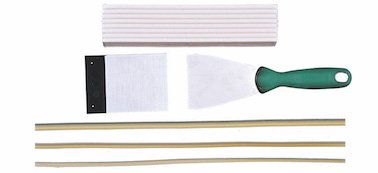
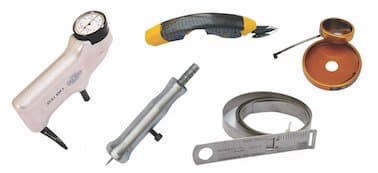
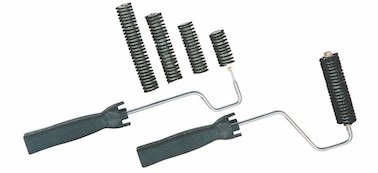
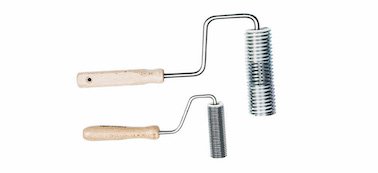
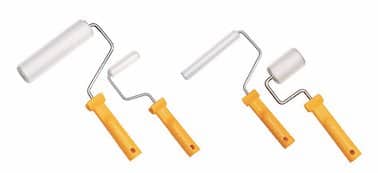
In Butt & Wrap Fiberglass Lamination Joints We offer Fiberglass Lamination Tools and Materials Like Woving Roving, Chopped Strand Mat, Lamination Kits, Laminator Safety Kit, Fiberglass Aluminum Roller, Bubble Busting Aluminum Rollers, Wool based Rollers, Catalyst, Mixers, Dispensers, Measuring Cylinders, Resins, and Adhesive among Others. See full list

 What is the difference between GRE and GRP pipes?